Innovative Sound Processing Solutions
Technology Integration
Our technology can be integrated into communication systems, audio devices and embedded platforms.
Acusta Perceptual DSP Technology
Acusta develops perceptual digital signal processing technology designed to be integrated directly into audio hardware and communication systems.
Our processors optimize sound according to
how the human auditory system actually interprets acoustic information.
By preserving the internal structure of sound and reducing masking effects between acoustic elements, Acusta dramatically improves intelligibility, clarity, and spatial perception.
The technology can be embedded into a wide range of devices, enabling manufacturers to deliver clearer voice communication, more natural listening experiences, and more efficient audio systems.
Acusta DSP can be integrated as:
· Embedded DSP processors
· Firmware or signal-processing modules
· OEM-licensed technology
Audio Device Integration
Acusta technology can be integrated directly into audio devices to enhance perceived clarity and spatial detail without increasing acoustic power.
Unlike conventional audio processing based on equalization or compression, Acusta works by preserving the perceptual structure of sound — reducing masking between acoustic elements and improving the discrimination of voices, instruments and acoustic cues.
Typical applications include:
· Professional audio equipment
· Hi-Fi and consumer audio devices
· Headphones and smart speakers
· Broadcast and production systems
This integration enables manufacturers to significantly improve perceived audio quality while maintaining efficient hardware design.
Transform Your Audio Today
Voice Communication Systems
Clear speech communication is essential in many environments where information must be understood quickly and reliably.
Acusta voice processing technology enhances speech intelligibility by improving the perceptual discrimination of phonetic elements, particularly consonants, which carry most linguistic information but are easily masked by stronger vowels or background noise.
Applications include:
· Intercom and communication systems
· Transportation and control rooms
· Security and emergency communication
· Telecommunications and voice platforms
By improving intelligibility at the signal level, Acusta reduces listening effort and increases communication reliability in demanding acoustic environments.
Embedded Audio Processing
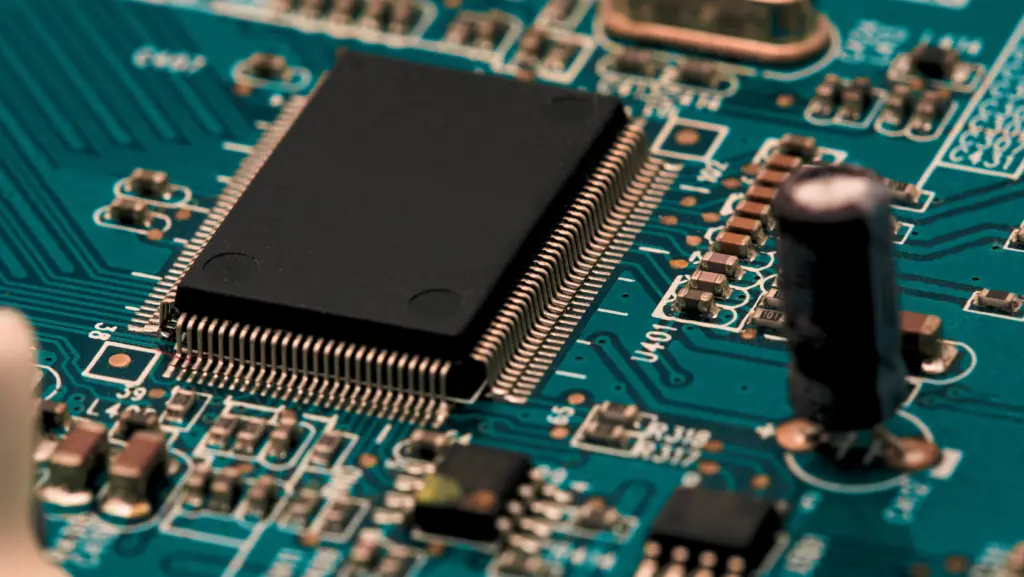
Acusta DSP processors are designed for efficient integration into embedded systems where real-time audio processing is required.
The technology operates adaptively on the acoustic signal, optimizing perceptual clarity without introducing artificial coloration or distortion.
Embedded integration enables manufacturers to incorporate perceptual audio optimization directly into their products.
Typical integration environments include:
· Automotive audio systems
· Smart devices and IoT platforms
· Professional microphones and communication equipment
· Public address and announcement systems
This approach allows Acusta technology to operate as a core audio layer within complex hardware platforms.
OEM Technology Licensing
Acusta technology can be licensed to manufacturers as an embedded signal processing solution.
OEM partners can integrate Acusta DSP into their own hardware platforms, allowing them to deliver significantly improved speech intelligibility and listening clarity while maintaining full control over product design and user experience.
Integration options include:
· DSP processor modules
· Embedded firmware integration
· Licensed signal-processing technology
Acusta works with manufacturers and technology partners to adapt the integration to specific hardware architectures and product requirements.
Why Acusta Technology
Acusta technology is based on decades of research in sound perception, acoustics and digital signal processing.
Its core innovation lies in optimizing sound according to how the human auditory system discriminates acoustic objects, rather than simply modifying frequencies or levels.
The result is a significant improvement in:
- Speech intelligibility
- Listening clarity
- Spatial perception
- Communication reliability
across a wide range of audio systems and environments.
Connect with Us Today for Clearer Sound
Working on a communication, audio, or embedded system that needs to sound better? Let’s talk about what perceptual signal processing can do for your product.